Paraquat Ban Press Conference: My day at the capitol advocating for HB1135
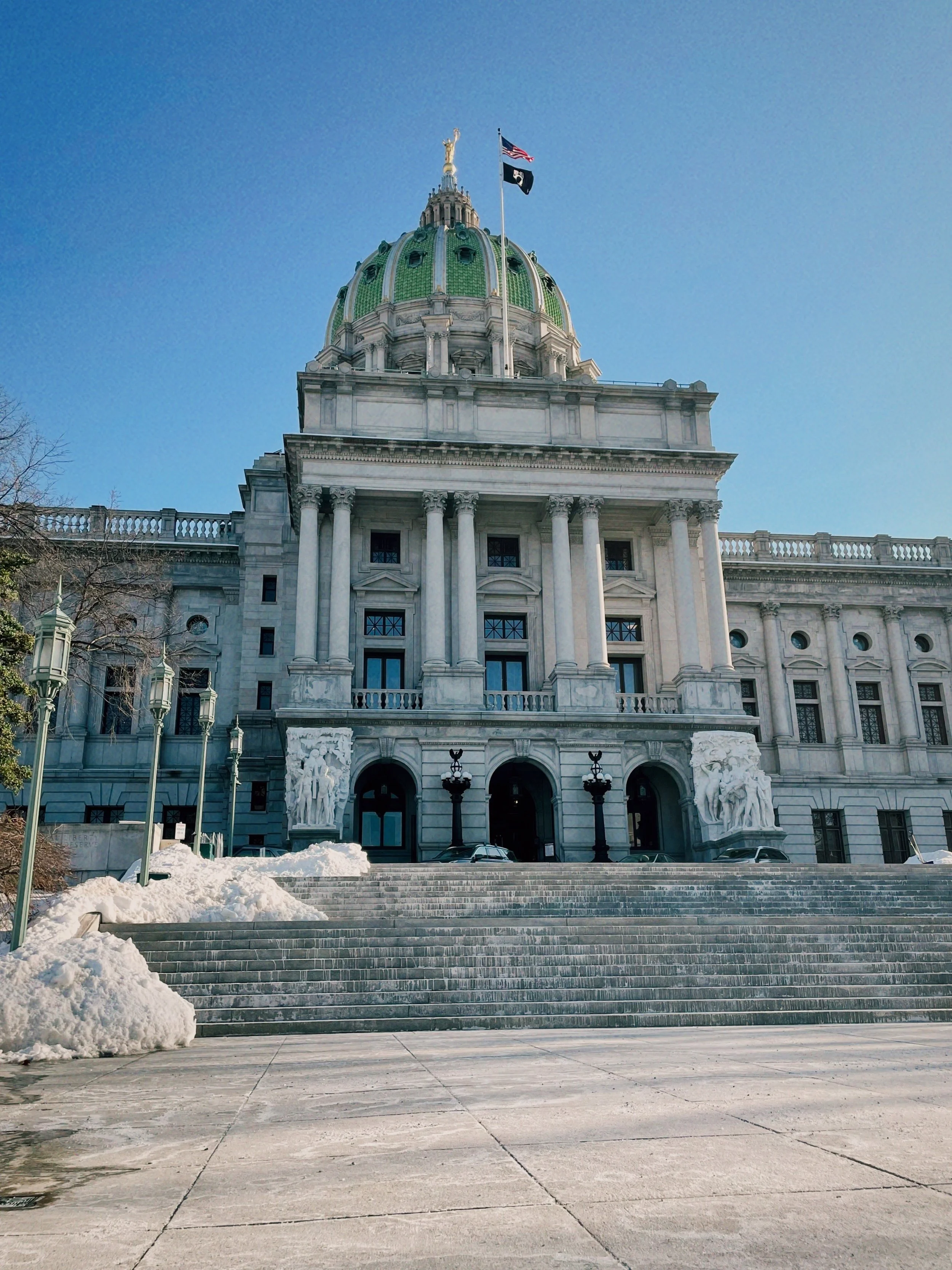
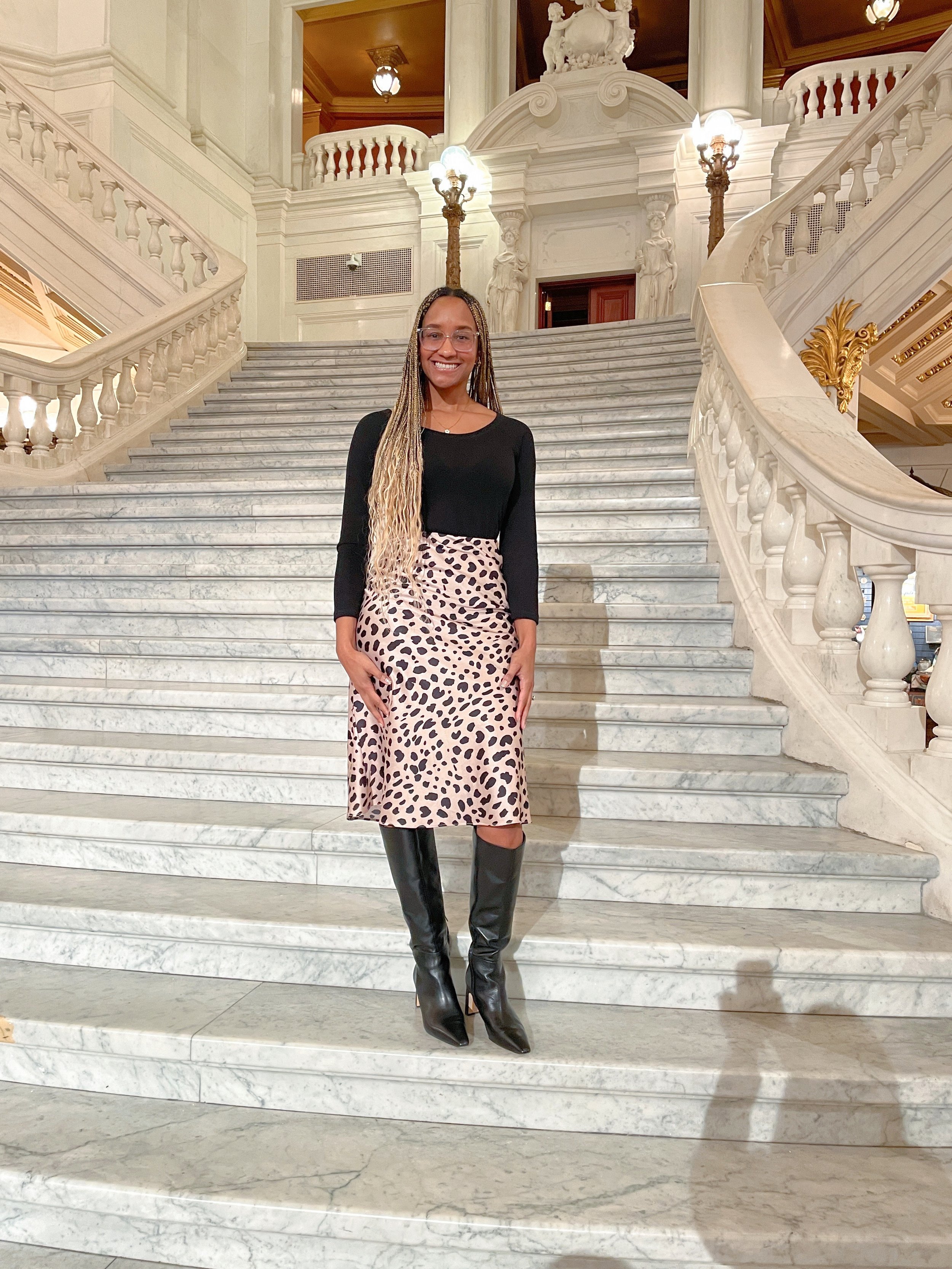
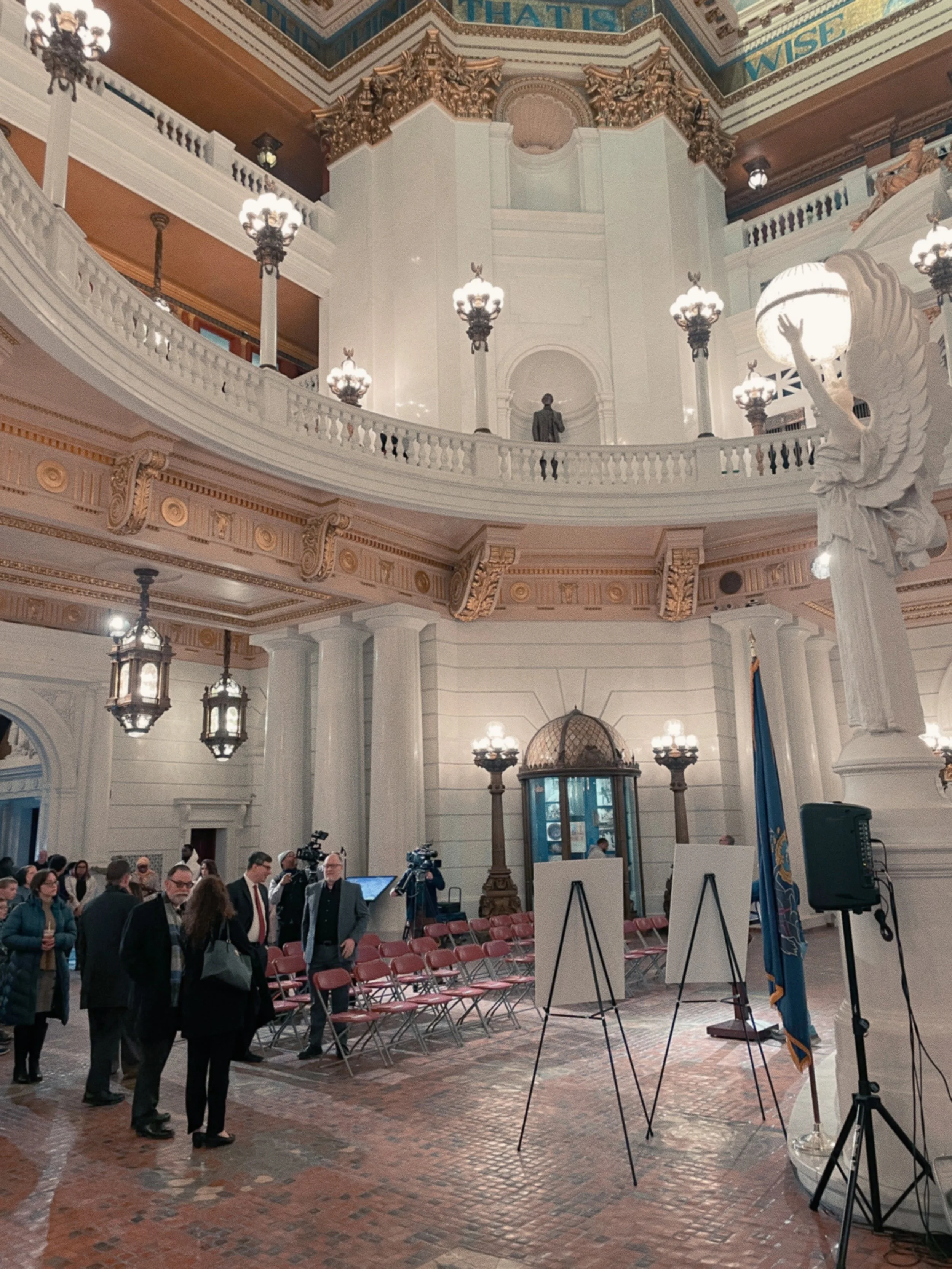
Walking up the snowy steps of the capitol building, across the marble floors and into the rotunda, I felt so nervous…but also excited at what this day meant.
I felt nervous, because I’ve never spoken face-to-face with politicians about new bills! My inner thoughts were racing — Would they take me seriously? Do they know what a speech pathologist is? I felt excited, because this was a great opportunity to advocate for the Parkinson’s community!
I was there as a board member of The Parkinson Council, a local speech-language pathologist, and a daughter & former caregiver to a dad with Parkinson’s.
The goal of the morning: to speak about HB 1135, a bill that could ban paraquat… a toxic herbicide linked to Parkinson's disease and other health harms like non-Hodgkin lymphoma and childhood leukemia.
At least 70 countries have banned it because of the threat it poses to human health..The United States has not.
What is Paraquat? Why does it matter?
Paraquat is one of the most widely used herbicides in the U.S., applied to crops like soybeans and corn. It's also used in orchards, vineyards, and along roadsides. Farmworkers, rural communities, and anyone living near agricultural areas face the highest exposure risk.
You know we like science around here and the science is clear. According to the Environmental Working Group, paraquat exposure has been linked to Parkinson's disease, non-Hodgkin lymphoma, and childhood leukemia. Research shows that people exposed to paraquat have a significantly higher risk of developing Parkinson's…some studies suggest up to 2.5 times the risk.
And yet, while more than 70 countries (including China, where it's manufactured) have banned paraquat outright… it remains legal in the United States. It's still being sprayed!! People are still being exposed!! Families are still facing diagnoses that might have been preventable.
The question isn't whether paraquat is dangerous. The question is: why are we still allowing it?
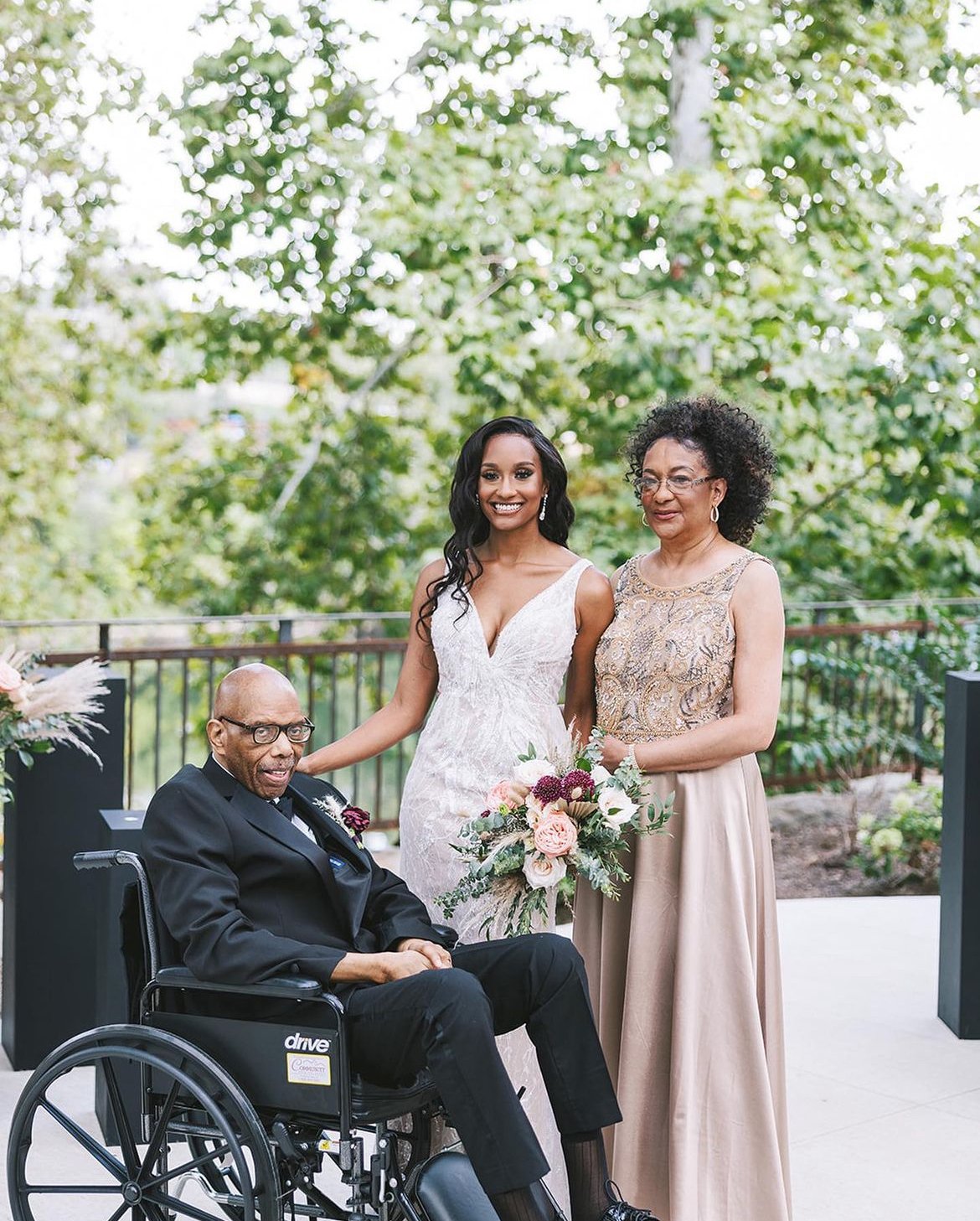
Why This is Personal
My dad had Parkinson's disease. My mom was primary caregiver and I supported them both throughout his 10+ year journey. I understand the many hospital visits, the missed doctor appointments because of pain and mobility issues, the fluctuating symptoms, and the uncertainty that can come managing this disease. I’m beyond grateful for my knowledge as a speech-language pathologist (SLP) that allowed me to help maintain my dad’s quality of life over the years and navigate the wild west of the healthcare system.
As an SLP, I've worked with people living with Parkinson's and the people supporting them. From therapy sessions to support groups, I've helped them rebuild communication skills, navigate swallowing difficulties, and become more active participants in their healthcare. I know what Parkinson’s does to a person. I know what it does to a family.
But here's what I also know… we talk about Parkinson's as if it's inevitable. As if it's just something that happens to people as they age. And while genetics can play a role, environmental risk factors… like pesticide exposure… are increasingly recognized as contributors.
When we talk about banning paraquat, we're not talking about abstract policy. We're talking about an issue impacting real people and real families. Families like mine. Families you work with. Families you live next to.
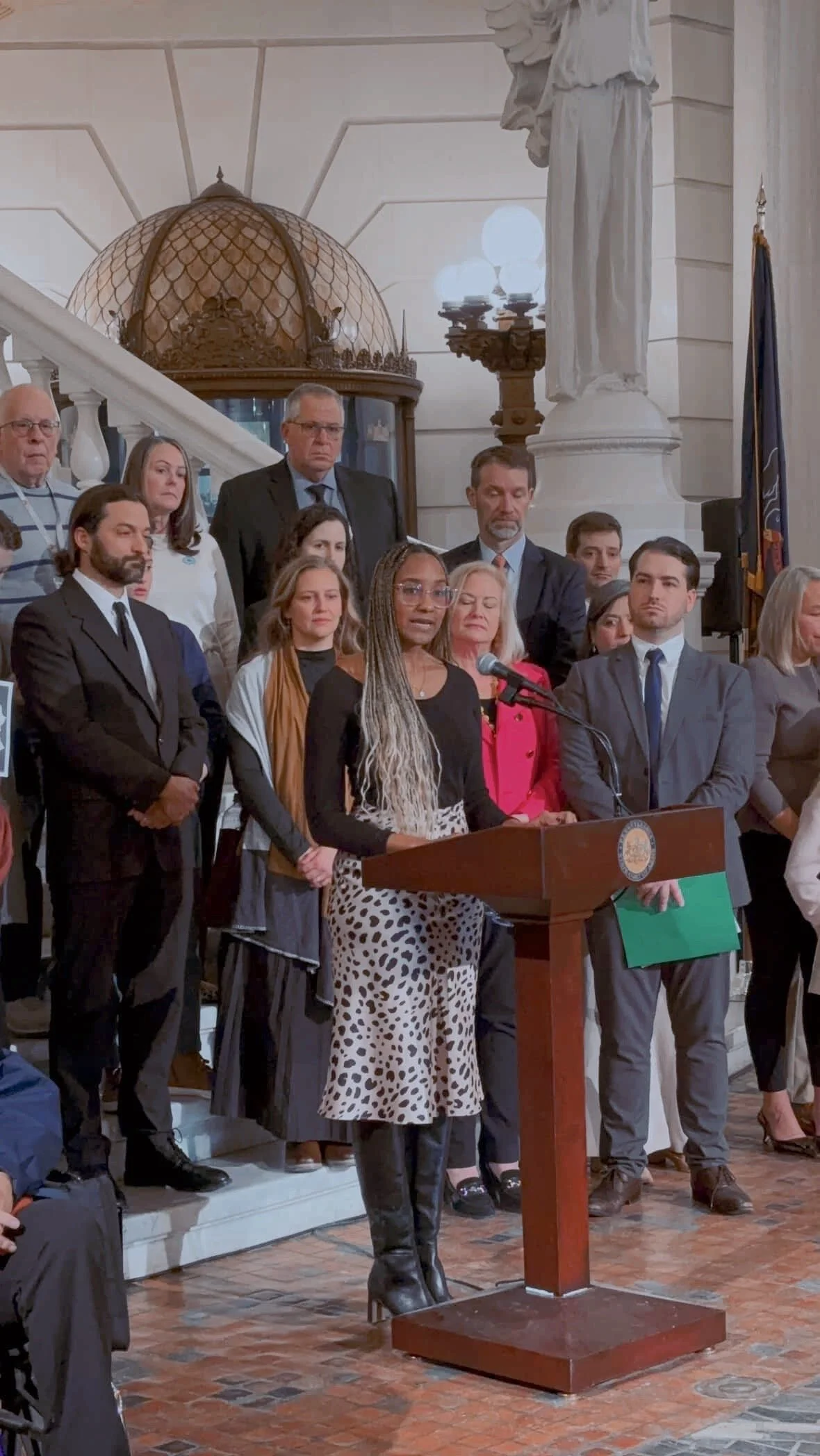

Advocating at the Capitol Building
The morning included a press conference with speeches from politicians, advocates and affected families; and meetings with legislators. I had the honor of advocating alongside Geoff from the Environmental Working Group and local farmers who understand the modern agricultural landscape without toxic pesticides.
In my speech, I shared my experience as both a clinician and a caregiver. I talked about what Parkinson's looks like from the inside. I talked about the fact that while we can't undo the harm that's already been done, we can prevent more families from facing what mine and so many others did.
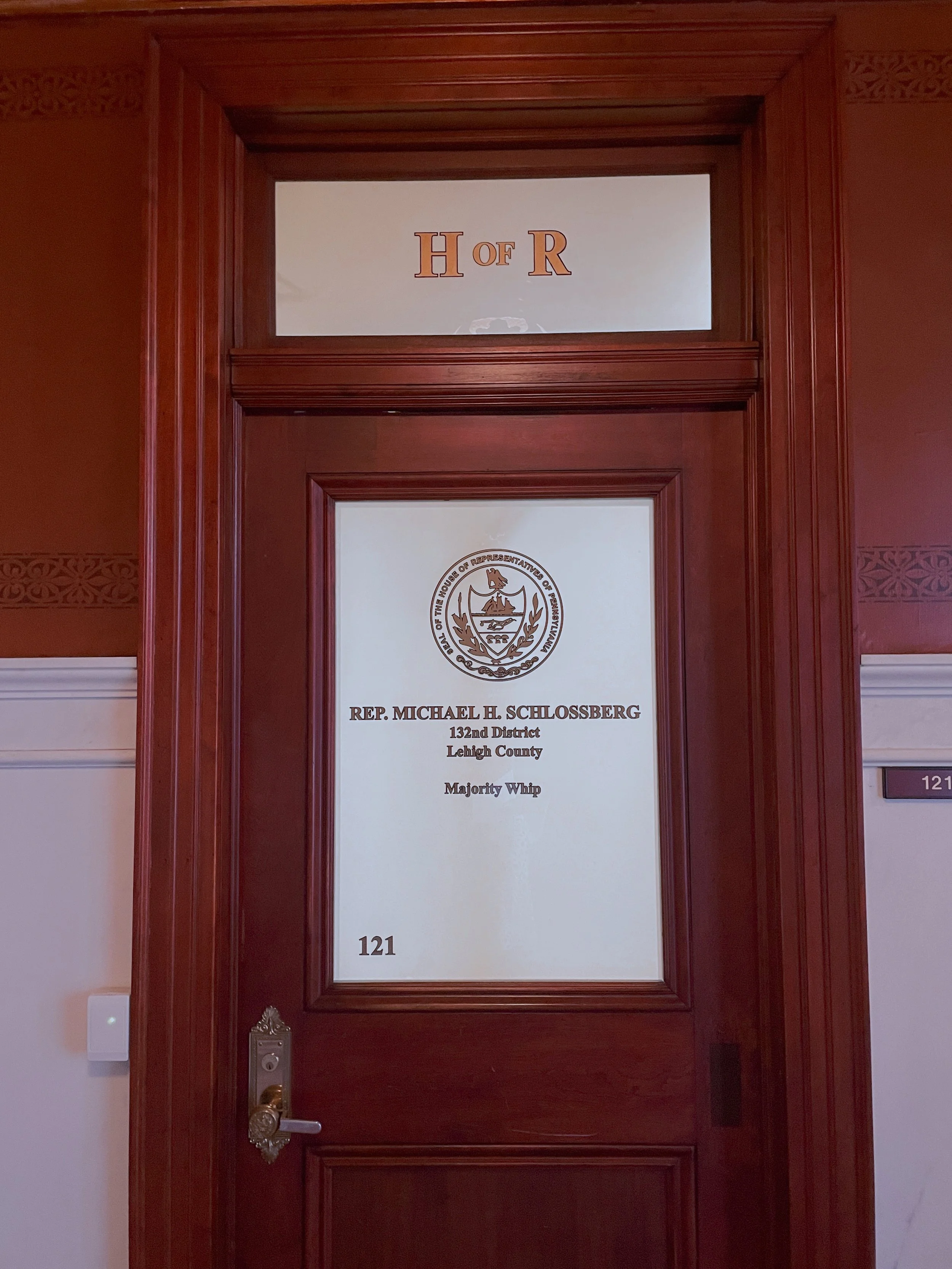
The legislators we met with listened and asked thoughtful questions. Some were still learning about the issue. And that's okay. Over the year, I’ve learned advocacy isn't always about instant wins, it's about planting seeds and showing up. And on this day, we were making sure the voices of affected families are heard in rooms where the decisions get made. I was so grateful for this opportunity and if you want to learn how to get involved (from the comfort of your own couch), keep reading!
(cue the Hamilton soundrack, “I wanna be in the room where it happened, the room where it happened, the room where it happenedddd.)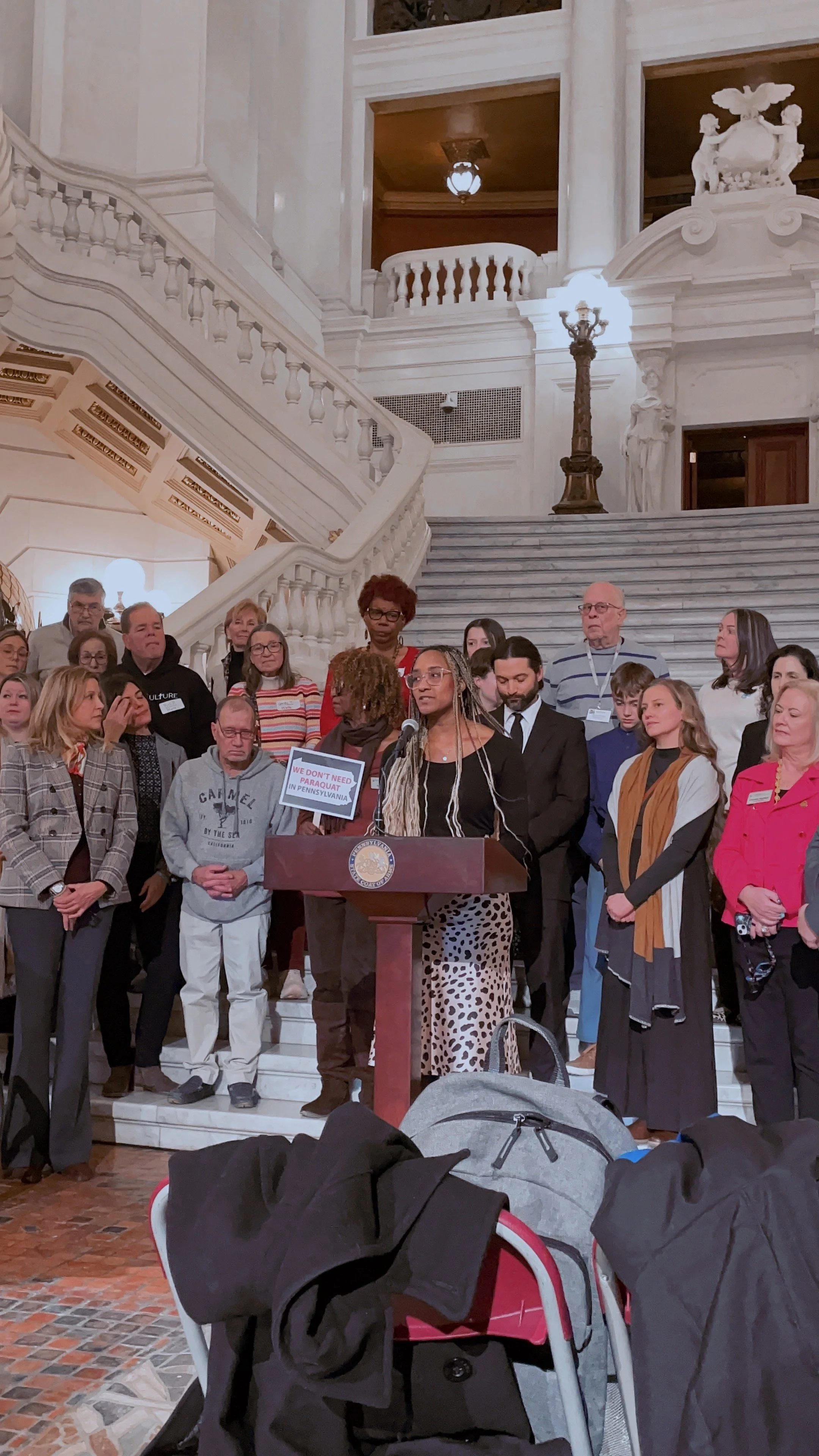
What You Can Do
You don't have to go to the capitol to make a difference. Here's how you can help:
1. Sign the petition to ban paraquat.
Head to banparaquat.org and add your name. It takes less than a minute.
2. Share this information.
Talk to your networks, especially if you work in healthcare. A lot of people don't know what paraquat is or how widespread its use is. That needs to change.
3. Contact your legislators.
Let them know you support HB 1135 and want to see paraquat banned in Pennsylvania. If you're not in PA, find out what's happening in your state. The Environmental Working Group has resources and templates to make this easier.
4. Support organizations doing this work.
The Parkinson Council, the Environmental Working Group, and local advocacy groups are leading the charge. Follow them. Amplify their work. Donate if you can.